The Essence of Empathy
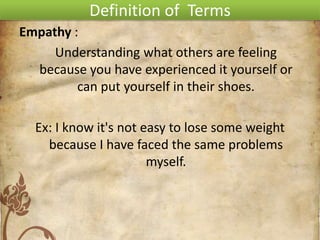
Empathy is a fundamental aspect of human interaction, enabling us to connect with others on a deep emotional level. It is the ability to understand and share the feelings of another person, putting oneself in their shoes and seeing the world from their perspective.
Empathy goes beyond sympathy, which involves feeling compassion or sorrow for someone else’s situation. Instead, empathy requires us to truly comprehend and resonate with the emotions and experiences of another individual.
Empathy plays a crucial role in building relationships, fostering trust, and promoting understanding between people. When we empathise with others, we demonstrate that we care about their well-being and are willing to support them through both joyful moments and challenging times.
Furthermore, empathy is essential for creating a more compassionate society. By recognising the emotions of others and responding with kindness and consideration, we contribute to a culture of empathy that values diversity, inclusivity, and mutual respect.
In today’s fast-paced world filled with technological distractions and societal pressures, cultivating empathy is more important than ever. It allows us to bridge divides, break down barriers, and forge meaningful connections that transcend differences in background, beliefs, or experiences.
Ultimately, empathy is not just a trait to be admired but a skill to be nurtured and practised daily. By embracing empathy in our interactions with others, we can create a more compassionate and understanding world where everyone feels seen, heard, and valued.
Five Benefits of Empathy: Cultivating Emotional Intelligence, Strengthening Relationships, and Promoting Unity
- Enhances emotional intelligence and self-awareness.
- Strengthens interpersonal relationships and fosters trust.
- Promotes a sense of unity and understanding in diverse communities.
- Encourages compassionate and supportive behaviour towards others.
- Helps navigate conflicts and resolve misunderstandings effectively.
The Potential Pitfalls of Empathy: Emotional Drain, Neglected Self-Care, and Risk of Exploitation
- Empathy can be emotionally draining, especially when constantly absorbing and internalising the feelings of others.
- Over-empathising with someone’s struggles may lead to neglecting one’s own emotional well-being and boundaries.
- Misplaced empathy towards individuals who take advantage of kindness can result in exploitation or manipulation.
Enhances emotional intelligence and self-awareness.
Empathy serves as a powerful tool in enhancing emotional intelligence and self-awareness. By honing the ability to understand and share the feelings of others, individuals develop a deeper insight into their own emotions and motivations. Through empathetic interactions, one gains a greater understanding of how their actions impact those around them, leading to increased self-awareness and emotional intelligence. This heightened awareness not only fosters more meaningful relationships but also empowers individuals to navigate their own emotions with greater clarity and empathy towards themselves.
Strengthens interpersonal relationships and fosters trust.
Empathy serves as a powerful tool that strengthens interpersonal relationships and fosters trust between individuals. By demonstrating genuine understanding and compassion towards others, we create a supportive environment where people feel valued and respected. Through empathetic interactions, we build deeper connections based on mutual appreciation and emotional resonance, leading to stronger bonds and increased trust in our relationships. This sense of trust forms the foundation for meaningful connections that endure challenges and promote a sense of unity and solidarity among individuals.
Promotes a sense of unity and understanding in diverse communities.
Promoting a sense of unity and understanding in diverse communities is a significant benefit of empathy. By empathising with others, individuals are able to recognise and appreciate the unique perspectives, experiences, and emotions of people from different backgrounds. This fosters a culture of inclusivity and mutual respect, breaking down barriers that divide communities and creating a shared sense of connection. Through empathy, diverse communities can come together, build bridges of understanding, and work towards common goals based on compassion and empathy for one another.
Encourages compassionate and supportive behaviour towards others.
Encouraging compassionate and supportive behaviour towards others, empathy serves as a guiding light in fostering meaningful connections and nurturing relationships. By understanding and sharing the feelings of those around us, we are more inclined to offer a helping hand, lend a listening ear, and provide comfort in times of need. Empathy inspires acts of kindness and gestures of support that not only benefit individuals on a personal level but also contribute to creating a more caring and empathetic society where mutual understanding and compassion thrive.
Helps navigate conflicts and resolve misunderstandings effectively.
Empathy serves as a powerful tool in navigating conflicts and resolving misunderstandings effectively. By empathising with others, we can gain insight into their perspectives, emotions, and motivations, allowing us to communicate more openly and constructively. When faced with disagreements or tensions, empathy enables us to approach the situation with understanding and compassion, facilitating dialogue and fostering mutual respect. Through empathetic listening and genuine efforts to see things from multiple viewpoints, we can find common ground, build bridges, and work towards peaceful resolutions that honour the dignity and feelings of all parties involved.
Empathy can be emotionally draining, especially when constantly absorbing and internalising the feelings of others.
Empathy, while a powerful tool for fostering connection and understanding, can also have its drawbacks. One significant con of empathy is its potential to be emotionally draining, particularly when individuals find themselves consistently absorbing and internalising the emotions of others. This constant emotional burden can lead to feelings of exhaustion, burnout, and emotional overload. It is essential for individuals practising empathy to establish healthy boundaries, self-care practices, and strategies for managing their own emotional well-being to prevent being overwhelmed by the intense emotions they encounter while empathising with others.
Over-empathising with someone’s struggles may lead to neglecting one’s own emotional well-being and boundaries.
Over-empathising with someone’s struggles can potentially result in neglecting one’s own emotional well-being and boundaries. While it is important to show compassion and support towards others, excessively absorbing their emotions and problems can take a toll on one’s mental and emotional health. It is crucial to strike a balance between being empathetic towards others and prioritising self-care. Setting boundaries and practising self-awareness are essential in preventing burnout and maintaining a healthy relationship with empathy, ensuring that both the individual and those they empathise with can receive the necessary care and support.
Misplaced empathy towards individuals who take advantage of kindness can result in exploitation or manipulation.
Misplaced empathy towards individuals who take advantage of kindness can result in exploitation or manipulation. When empathy is extended without discernment or boundaries, those who seek to exploit others may capitalise on this vulnerability for their own gain. This can lead to a cycle of manipulation where individuals feign distress or need in order to elicit sympathy and support, ultimately undermining the genuine connections built on mutual trust and respect. It is important to strike a balance between empathy and self-preservation, recognising when boundaries need to be set to protect oneself from potential harm or exploitation.