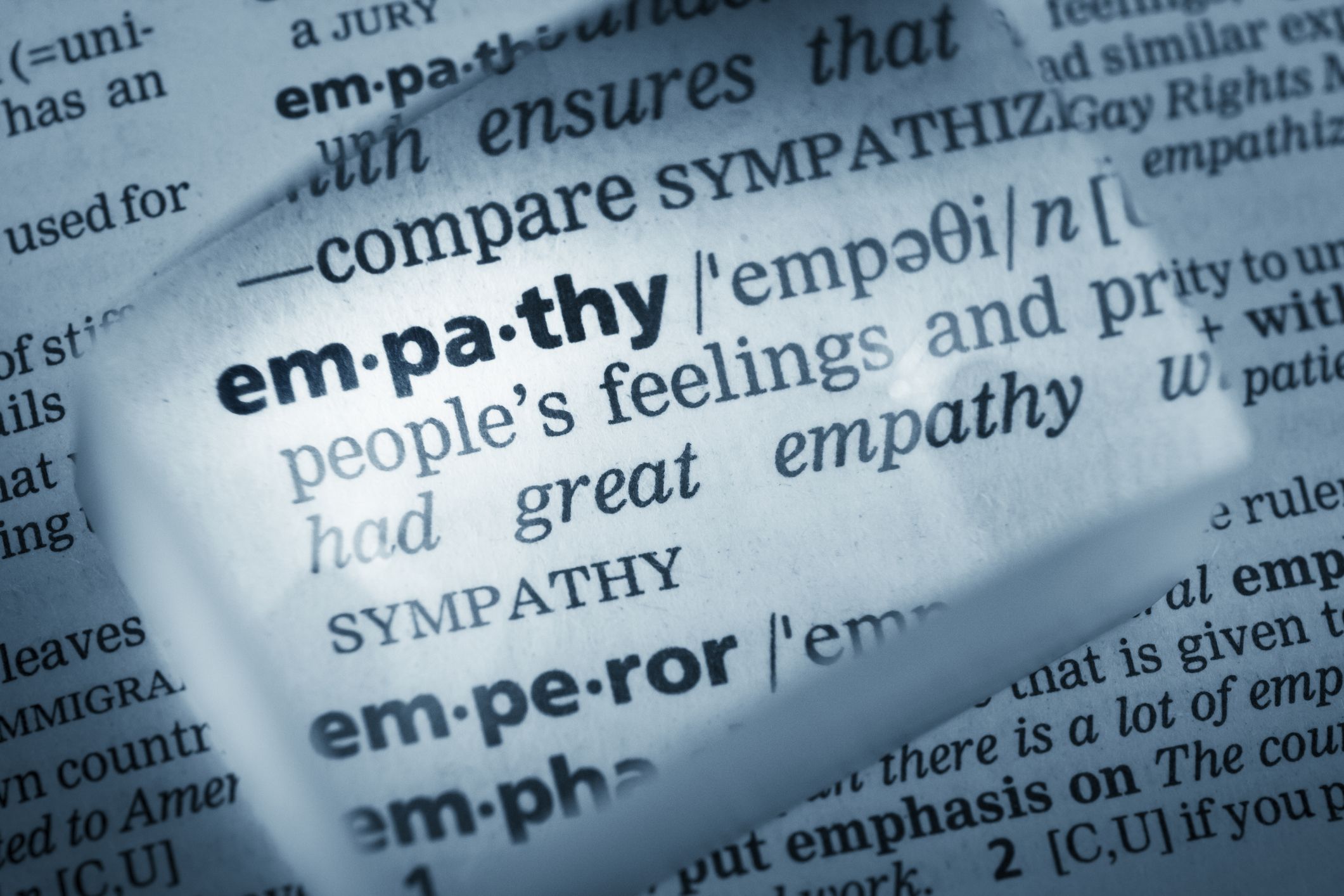
The Definition of Empathetic
Empathy is a fundamental aspect of human interaction, allowing individuals to understand and share the feelings of others. When someone is described as empathetic, it means that they have the ability to put themselves in another person’s shoes and comprehend their emotions, perspectives, and experiences.
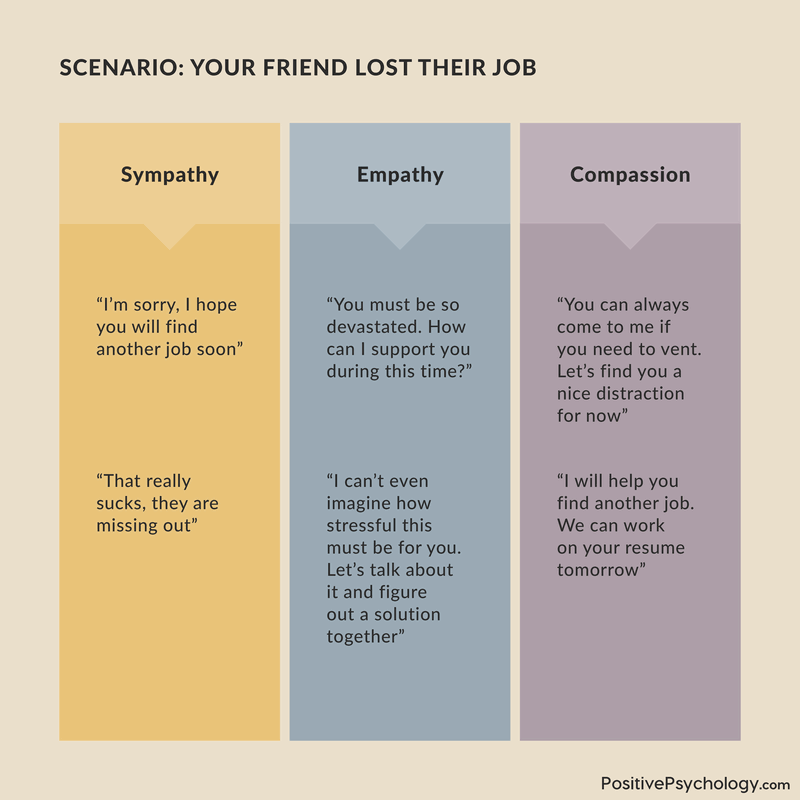
An empathetic person demonstrates compassion, sensitivity, and understanding towards others. They are able to listen attentively, offer support, and provide comfort when needed. Empathy goes beyond sympathy, as it involves actively engaging with someone else’s feelings rather than just acknowledging them.
Being empathetic requires emotional intelligence and a willingness to connect with others on a deeper level. It involves being non-judgmental, open-minded, and responsive to the needs of those around you. Empathetic individuals are often seen as trustworthy and caring companions who can provide solace during times of distress.
In today’s fast-paced world, cultivating empathy is more important than ever. By fostering empathy in our interactions with others, we can build stronger relationships, foster mutual understanding, and create a more compassionate society. Empathy is not just a trait but a skill that can be developed through practice and conscious effort.
Ultimately, being empathetic means recognising the shared humanity that connects us all and responding with kindness and empathy towards others. It is a powerful force for building bridges across differences and promoting harmony in our communities.
Understanding Empathy: 6 Key Insights into the Art of Sharing and Supporting Others
- Empathetic means to understand and share the feelings of others.
- It involves being able to see things from someone else’s perspective.
- Being empathetic requires listening without judgment or interruption.
- Showing empathy often involves offering support and comfort to others.
- Empathy can help build stronger connections and relationships with people.
- Practising empathy can lead to a more compassionate and understanding approach in interactions.
Empathetic means to understand and share the feelings of others.
To be empathetic is to possess the ability to comprehend and resonate with the emotions of others. It involves not only understanding but also actively sharing in the feelings experienced by another individual. Empathy enables us to connect on a deeper level, showing genuine care and consideration for the emotions and experiences of those around us. By embodying empathy, we can foster stronger relationships, offer meaningful support, and contribute to a more compassionate and understanding society.
It involves being able to see things from someone else’s perspective.
Understanding the definition of being empathetic involves the ability to see things from someone else’s perspective. Empathy requires us to step into the shoes of another person, to view the world through their eyes, and to comprehend their emotions and experiences. By embracing this perspective-taking approach, we can deepen our connections with others, foster mutual understanding, and demonstrate genuine care and compassion in our interactions.
Being empathetic requires listening without judgment or interruption.
To be empathetic, one must possess the ability to listen without passing judgment or interrupting. This means actively engaging with someone’s thoughts and emotions, offering them a safe space to express themselves freely. By practising attentive listening, individuals can demonstrate their empathy by showing respect for others’ perspectives and experiences. This essential aspect of empathy allows for genuine connections to be formed based on understanding and compassion.
Showing empathy often involves offering support and comfort to others.
Showing empathy often involves offering support and comfort to others. When we demonstrate empathy by providing a listening ear, a reassuring touch, or a kind word, we show that we care about the well-being of those around us. By offering support and comfort, we create a safe space for individuals to express their emotions and feel understood. This act of kindness not only strengthens our relationships but also helps foster a sense of connection and belonging in our communities.
Empathy can help build stronger connections and relationships with people.
Empathy plays a crucial role in forging deeper connections and fostering stronger relationships with individuals. By understanding and resonating with the emotions and experiences of others, we demonstrate our willingness to listen, support, and engage on a more profound level. Empathy allows us to bridge gaps in communication, cultivate trust, and create a sense of mutual understanding that forms the foundation of meaningful and lasting relationships. In essence, practising empathy enables us to build bridges of compassion and empathy that enrich our interactions with others and contribute to a more harmonious and empathetic society.
Practising empathy can lead to a more compassionate and understanding approach in interactions.
Practising empathy can lead to a more compassionate and understanding approach in interactions. By actively engaging with the feelings and perspectives of others, individuals can foster deeper connections and build trust in their relationships. Empathy allows us to see beyond our own experiences and biases, enabling us to respond with kindness and sensitivity to the needs of those around us. Through empathetic interactions, we create a supportive environment where mutual understanding thrives, paving the way for a more harmonious and empathetic society.