Core Values: Examples and How to Identify Your Own
Core values are the principles that guide how a person, organisation or community makes decisions and behaves. They help clarify what matters most, especially when choices are difficult or circumstances change. Values can influence relationships, work, priorities and the way people respond to challenges.
There is no single correct set of core values. Some people place a high priority on honesty and fairness, while others are guided by creativity, independence or service. The important thing is that chosen values are meaningful and reflected in everyday actions.
What Are Core Values?
Core values are lasting beliefs about what is important and worthwhile. They act as reference points for decisions: for example, someone who values fairness may try to hear all sides before reaching a judgement, while someone who values learning may actively seek feedback and new experiences.
Values are not quite the same as goals. A goal is a result someone hopes to achieve, such as gaining a qualification or starting a business. A value is a principle that can shape how that goal is pursued. A person might work towards a promotion while also upholding values such as honesty, collaboration and respect.
Examples of Core Values
The following examples can help clarify the different principles people may choose to live by. Their meaning can vary between individuals, so it is useful to define what each value looks like in practice.
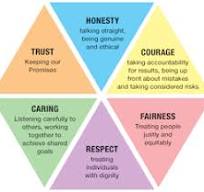
- Integrity: acting consistently with one’s principles, including when doing so is difficult or goes unnoticed.
- Honesty: communicating truthfully and avoiding deliberate deception.
- Respect: recognising the dignity, rights and perspectives of other people.
- Fairness: treating people impartially and considering whether decisions and opportunities are just.
- Compassion: responding to other people’s difficulties with care and a willingness to help.
- Responsibility: taking ownership of decisions, commitments and their consequences.
- Courage: facing difficulty or uncertainty in support of something considered important.
- Curiosity: asking questions, exploring ideas and remaining open to learning.
- Creativity: valuing imagination, experimentation and original ways of solving problems.
- Independence: having the freedom and confidence to make considered choices.
- Community: contributing to the wellbeing of a group and recognising mutual responsibilities.
- Equality: supporting equal rights, dignity and opportunities for all people.
- Perseverance: continuing to make an effort in the face of setbacks while remaining open to changing course when necessary.
- Balance: giving appropriate attention to different areas of life, such as work, health, relationships and rest.
- Environmental responsibility: considering the effects of choices on the natural world and future generations.
Core Values in Everyday Life
Values become most useful when they are translated into behaviour. Saying that respect matters, for instance, has limited meaning unless it influences how people listen, disagree and treat others. Similarly, valuing health might involve setting boundaries around rest, movement or work.
Consider a disagreement at work. Someone guided by honesty may raise a concern clearly; someone guided by respect may do so without belittling colleagues; and someone guided by fairness may make sure everyone affected has a chance to contribute. Several values can therefore work together in a single decision.
Examples of Core Values for Organisations
Organisations often describe values to explain how they intend to work and serve others. Common examples include:
- Customer care: understanding and responding to the needs of the people who use a service.
- Collaboration: sharing knowledge and working constructively across teams.
- Accountability: taking responsibility for decisions, performance and mistakes.
- Innovation: testing new ideas and improving existing ways of working.
- Inclusion: creating an environment in which people with different backgrounds and perspectives can participate.
- Quality: taking care over the standard, reliability and usefulness of work.
- Sustainability: considering long-term social, economic and environmental effects.
For organisational values to be credible, they need to inform real practices, including recruitment, leadership, decision-making and how concerns are handled. A value displayed on a website is unlikely to build trust if everyday behaviour contradicts it.
How to Identify Your Core Values
Identifying core values takes reflection rather than choosing words simply because they sound positive. These steps can help:
- Recall meaningful experiences. Think about moments when you felt proud, fulfilled or particularly at ease. Ask what those moments reveal about what matters to you.
- Notice strong reactions. Frustration or disappointment can sometimes point to a value that feels overlooked, such as fairness, trust or autonomy.
- Look at difficult decisions. Consider what influenced choices made under pressure. Actions may reveal priorities more clearly than general statements.
- Choose a manageable shortlist. Start with a broad list, then select a smaller number of values that feel especially important. Too many can make it difficult to use them as practical guides.
- Define each value in your own words. Explain what it means and what behaviour would demonstrate it.
- Test the list against real situations. Ask whether the values help with decisions involving work, relationships, money, time or responsibilities.
- Review them over time. Values may remain stable, but life experience can change how they are understood or prioritised.
Turning Values into Action
A practical way to use core values is to connect each one to a specific habit or decision. If learning is important, a regular reading or training routine may support it. If family connection is a priority, protecting time together could make that value visible. If fairness matters, it may involve checking assumptions before making decisions about other people.
It can also help to ask a few questions when facing a difficult choice:
- Which values are relevant to this decision?
- Could any of the options undermine a principle that matters?
- What are the likely effects on other people?
- Would the decision still seem reasonable if it were explained openly?
- Is there a way to honour more than one value at the same time?
When Core Values Conflict
Values do not always point in the same direction. A person may value both loyalty and honesty, for example, and find it difficult to decide what to do when a friend has made a mistake. A commitment to ambition may also pull against a desire for balance.
In these situations, it can help to identify who may be affected, consider the likely consequences and distinguish between short-term discomfort and long-term harm. Some values may need to take priority in a particular context, but the decision should be made thoughtfully rather than automatically.
Conclusion
Core values provide a framework for understanding what matters and making choices with greater intention. Examples include integrity, compassion, fairness, curiosity, responsibility and community. The words themselves are only a starting point: their value comes from defining them clearly and putting them into practice.
A useful set of core values is personal, realistic and flexible enough to guide decisions across different parts of life. Regular reflection can help ensure that daily actions remain connected to the principles that matter most.
Exploring Core Values: Answers to 9 Common Questions About Personal and Organisational Principles
- What are 15 values?
- What are the 7 core values of a person?
- What are basic core values?
- What are the five core values?
- What are the top 10 core values?
- What are good core values?
- What are the 5 core values?
- How do I figure out my core values?
- What are the 7 core values?
What are 15 values?
Fifteen examples of core values are honesty, integrity, respect, fairness, compassion, responsibility, courage, curiosity, creativity, independence, community, equality, perseverance, balance and environmental responsibility. These values can guide decisions and behaviour, but their meaning is personal: for instance, balance might mean protecting time for rest and relationships, while responsibility could mean keeping commitments and owning mistakes. Choose the values that genuinely matter to you, rather than treating the list as one everyone must follow.
What are the 7 core values of a person?
There is no universal list of seven core values, as the principles that matter most vary from person to person and culture to culture. A useful set of examples might include honesty, respect, responsibility, compassion, fairness, courage and perseverance. These values can guide decisions and behaviour, but each person may choose different ones—for example, creativity, independence, family or community—and define what they mean in everyday life.
What are basic core values?
Basic core values are fundamental principles that guide a person’s decisions and behaviour. Common examples include honesty, respect, responsibility, fairness, compassion and integrity. The values that matter most will differ from person to person, but they offer a useful foundation for deciding how to act, treat others and respond to challenges.
What are the five core values?
There is no universally agreed list of five core values: the principles people prioritise vary between individuals, communities and organisations. A commonly cited set is integrity, respect, responsibility, fairness and compassion, as these values encourage honesty, consideration for others and accountability. Other examples, such as courage, curiosity, equality or creativity, may be just as important depending on a person’s beliefs and circumstances. The most useful five are those that feel meaningful to you and can be put into practice in everyday decisions.
What are the top 10 core values?
There is no definitive list of the “top” core values, as the principles people prioritise vary with their experiences and beliefs. A commonly cited set of ten includes integrity, honesty, respect, responsibility, fairness, compassion, courage, curiosity, perseverance and community. These values can guide decisions and behaviour, but their meaning is personal: for example, responsibility might mean keeping commitments to one person and taking ownership of mistakes to another. The most useful core values are those that genuinely matter to you and that you can put into practice in everyday life.
What are good core values?
Good core values are principles that genuinely matter to you and help guide your decisions and behaviour. Common examples include honesty, integrity, respect, compassion, fairness, responsibility, courage and curiosity. There is no universal list of “best” values: choose a few that reflect the person you want to be, then define what each means in practice. For example, valuing respect might mean listening without interrupting, while valuing responsibility could mean keeping commitments and owning mistakes.
What are the 5 core values?
There is no universally agreed list of the five core values, as values differ between people and organisations. A commonly used set is honesty, respect, responsibility, fairness and compassion. Together, these values encourage truthful communication, consideration for others, accountability, impartial treatment and care for people’s wellbeing. The most meaningful five, however, are those that reflect the principles you want to put into practice in your own life or organisation.
How do I figure out my core values?
To figure out your core values, reflect on moments when you felt proud, fulfilled or frustrated, and ask what those experiences reveal about what matters to you. Consider which principles guide your difficult decisions and what qualities you admire in others. Make a shortlist of values that feel genuinely important, define each in your own words, then check whether they influence your everyday choices. Your values may become clearer over time, so revisit the list as your experiences and priorities change.
What are the 7 core values?
There is no universally agreed list of “the 7 core values”, as values differ between individuals, cultures and organisations. A commonly used set includes integrity, respect, responsibility, fairness, compassion, perseverance and personal growth. These principles can guide decisions and behaviour, but the most meaningful seven are the ones that reflect what matters to you and are expressed in your actions.