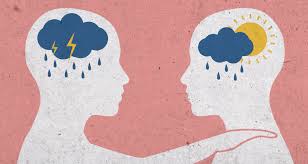
Moral Values: The Principles That Shape How We Live
Moral values are the beliefs and principles people use to judge what is right, wrong, fair or harmful. They influence everyday choices, from how we treat friends and strangers to the way we respond to injustice. Though often discussed in abstract terms, moral values are most visible in practice: in the decisions we make and the responsibilities we accept.
What Are Moral Values?
Values such as honesty, compassion, fairness, loyalty, respect and responsibility are often described as moral because they concern how people ought to behave towards one another. They can guide individual conduct, shape relationships and influence the rules and institutions of a society.
Moral values are not exactly the same as laws, customs or personal preferences. Laws establish formal rules, while customs reflect practices shared by a community. Personal preferences concern what someone likes or finds convenient. Moral values, by contrast, invite us to consider what is justified and how our actions affect others. A choice may be legal or customary without being fair; it may also be personally appealing while causing harm.
Where Do Moral Values Come From?
People develop their moral outlook through many influences. Families and communities introduce early ideas about kindness, honesty and obligation. Education, religious traditions, culture, friendships and personal experience can all deepen or challenge those ideas. Philosophy offers another way to examine them, asking not only what people believe but why they believe it.
These influences do not produce identical moral outlooks. People may share a commitment to fairness, for example, yet disagree about what fairness requires in a particular situation. One person may stress equal treatment, while another focuses on giving additional support to those facing greater disadvantage. Understanding this difference can help turn disagreement into a more thoughtful discussion.
When Values Conflict
Moral decisions are not always a choice between good and bad. Sometimes two important values pull in different directions. Telling the truth may protect honesty but cause unnecessary distress; keeping a promise may demonstrate loyalty but conflict with a wider responsibility. In public life, protecting security can raise questions about privacy and individual freedom.
There is rarely a single formula that resolves every dilemma. It can help to ask:
- Who will be affected by this decision, and how?
- What duties or promises are involved?
- Are the same standards being applied fairly to everyone?
- Could the decision cause avoidable harm?
- Would the reasons for it still seem acceptable if the roles were reversed?
These questions do not remove uncertainty, but they encourage careful reasoning rather than relying on impulse or convenience alone.
Moral Values in Public Life
Moral values matter beyond personal relationships. They inform debates about poverty, healthcare, education, discrimination, environmental protection and the use of political power. Ideas such as dignity, equality and accountability help people assess whether institutions treat individuals justly and whether decisions serve the public interest.
In a diverse society, citizens will not always agree about the foundations of morality. Respectful discussion is therefore essential. It requires listening seriously to different experiences, explaining reasons clearly and recognising that good intentions do not guarantee fair outcomes. It also means being willing to reconsider a position when evidence or argument gives reason to do so.
Putting Values into Practice
Values have meaning when they guide action. Honesty involves more than avoiding lies; it can include correcting mistakes and being clear about uncertainty. Compassion is more than sympathy; it may require practical support. Fairness asks us to consider whether our rules and choices impose unequal burdens. Responsibility includes accepting the consequences of our decisions and making amends where possible.
No one acts perfectly at all times. Moral reflection is not about claiming moral superiority, but about learning from experience and trying to do better. Small choices matter: keeping a commitment, treating someone with respect, speaking up against unfairness or considering the wider effects of what we consume and support.
A Continuing Conversation
Moral values provide a language for thinking about the kind of people we want to be and the kind of society we want to build. They are inherited, debated and sometimes revised as people encounter new circumstances and listen to perspectives beyond their own.
There may be no final agreement on every moral question. Even so, careful reflection, empathy and open debate can help us make more considered choices. The aim is not simply to hold values, but to understand them, test them and put them into practice with fairness and care.
Nine Benefits of Moral Values: Fostering Integrity and Positive Social Impact
- Promote honesty and trust.
- Encourage compassion and kindness.
- Support fairness and equality.
- Guide responsible choices.
- Strengthen relationships and communities.
- Help prevent harm.
- Encourage respect for others.
- Build personal integrity.
- Inspire positive social change.
Five Challenges of Moral Values: Navigating Cultural Differences, Judgement, Conflict, Rigidity, and Bias
- Values can differ between cultures.
- Moral rules may become judgemental.
- Conflicting values can make choices difficult.
- Rigid beliefs can discourage open-mindedness.
- People may use moral claims to justify bias.
Promote honesty and trust.
Moral values promote honesty and trust by encouraging people to speak truthfully, keep promises and take responsibility for their actions. When individuals act with integrity, others can rely on their words and decisions, helping to build stronger relationships at home, at work and in the wider community. Trust takes time to develop, but consistent honesty makes cooperation easier and creates a greater sense of security and respect.
Encourage compassion and kindness.
Moral values encourage compassion and kindness by reminding us to consider how our words and actions affect others. When we value empathy, respect and care, we are more likely to listen without judgement, offer help to someone in need and treat people with dignity. These everyday acts can strengthen relationships, build trust and create more supportive communities.
Support fairness and equality.
Moral values such as justice, respect and compassion support fairness and equality by encouraging us to treat people with dignity and consider their needs without prejudice. They help guide fair decisions, challenge discrimination and promote equal opportunities, while reminding us that treating people fairly may sometimes mean giving additional support to those facing greater barriers.
Guide responsible choices.
Moral values guide responsible choices by helping us consider the consequences of our actions and how they may affect other people. Principles such as honesty, fairness and compassion encourage us to look beyond immediate convenience, weigh our responsibilities and choose responses that respect others’ rights and wellbeing. When decisions are difficult, these values offer a useful framework for acting thoughtfully and being accountable for the outcome.
Strengthen relationships and communities.
Moral values such as honesty, respect, empathy and fairness help build trust between people. When individuals listen to one another, keep their commitments and treat others with consideration, relationships become stronger and disagreements are easier to resolve. Shared values can also bring communities together, encouraging cooperation, mutual support and a sense of belonging. Although people may interpret particular values differently, a commitment to treating one another with dignity provides a strong foundation for living and working together.
Help prevent harm.
Moral values help prevent harm by encouraging people to consider how their choices affect others. Principles such as compassion, respect and responsibility can guide us away from actions that cause physical or emotional damage, and towards choices that protect people’s dignity and wellbeing. They also help communities set shared expectations, making it easier to recognise harmful behaviour, challenge it and support those affected.
Encourage respect for others.
Moral values encourage respect for others by reminding us to recognise each person’s dignity, feelings and right to be treated fairly. Principles such as empathy, kindness and tolerance help us listen to different perspectives, even when we disagree, and discourage behaviour that humiliates or harms others. When respect becomes part of everyday choices, it can strengthen relationships, build trust and help create more inclusive communities.
Build personal integrity.
Moral values help build personal integrity by giving people principles to guide their choices, even when doing the right thing is difficult or goes unnoticed. Values such as honesty, fairness and responsibility encourage consistency between what someone believes, says and does. Over time, acting in line with these principles can strengthen self-respect and help others see that the person is trustworthy and dependable.
Inspire positive social change.
Moral values can inspire positive social change by encouraging people to challenge injustice and work towards a fairer society. Principles such as equality, compassion and respect help communities recognise when people are being treated unfairly and motivate individuals to speak up, support those affected and seek practical solutions. When these values are shared and put into action, they can influence public attitudes, strengthen community efforts and encourage lasting improvements in laws and institutions.
Values can differ between cultures.
Moral values can differ between cultures, which may lead to misunderstandings or disagreements about what is considered right and wrong. A behaviour viewed as respectful in one society may be seen as inappropriate in another, making it difficult to apply a single set of moral standards everywhere. This can complicate communication and cooperation, particularly when people assume their own values are universal rather than shaped by their cultural background.
Moral rules may become judgemental.
Moral rules can become judgemental when they are treated as rigid standards for condemning people rather than as principles for guiding thoughtful behaviour. This can lead to shame, exclusion or unfair assumptions, especially when someone’s circumstances are overlooked or different cultural and personal experiences are ignored. Instead of encouraging reflection and understanding, moral judgement may shut down discussion and make it harder for people to learn from mistakes. A more constructive approach applies moral principles with compassion, humility and attention to context.
Conflicting values can make choices difficult.
Conflicting moral values can make even well-intentioned choices difficult. For example, telling the truth may clash with a desire to protect someone’s feelings, while loyalty to one person may conflict with a broader duty to act fairly. When important principles point in different directions, there may be no option that fully satisfies them all. People must weigh the likely consequences, consider who may be affected and decide which responsibility should take priority. This can leave uncertainty or regret, even when the decision has been made with care.
Rigid beliefs can discourage open-mindedness.
Rigid moral beliefs can discourage open-mindedness when they are treated as unquestionable rules rather than principles to reflect on. This can make people dismiss unfamiliar perspectives without considering the experiences or reasoning behind them, and may limit thoughtful debate. Holding strong values need not mean refusing to change one’s mind: listening to others and examining evidence can help people apply their principles with greater understanding and fairness.
People may use moral claims to justify bias.
Moral values can be used to justify bias when people present their own assumptions or preferences as universal standards of right and wrong. This may lead them to judge other groups unfairly, exclude people who live differently or apply the same rules inconsistently. Such claims can make prejudice seem principled rather than discriminatory, so it is important to question whose interests a moral argument serves, consider its effects on those affected and apply standards fairly.